

 English
 日本語
日本語 한국어
한국어 français
 Deutsch
 Español
 italiano
 العربية
 ไทย
ไทย tiếng việt
 Indonesia















We use cookies to offer you a better browsing experience, analyze site traffic and personalize content. Part of
the tracking is necessary to ensure SEO effectiveness,
By using this site, you agree to our use of cookies.
Visit our cookie policy to learn more.
-
Ingredients
-
Application Areas
 Dietary SupplementHigh-quality nutritional ingredients supporting efficient formulation of modern dietary supplements.
 Infant FormulaScience-based nutritional solutions supporting safe and balanced early-life development.
 Functional Food & BeveragesFunctional ingredients enhancing stability, fortification, and sensory performance in food and beverages.
 -
Innovation & Solutions
 Innovative TechnologyAdvanced technologies improving nutrient bioavailability and enabling scalable nutrition solutions.
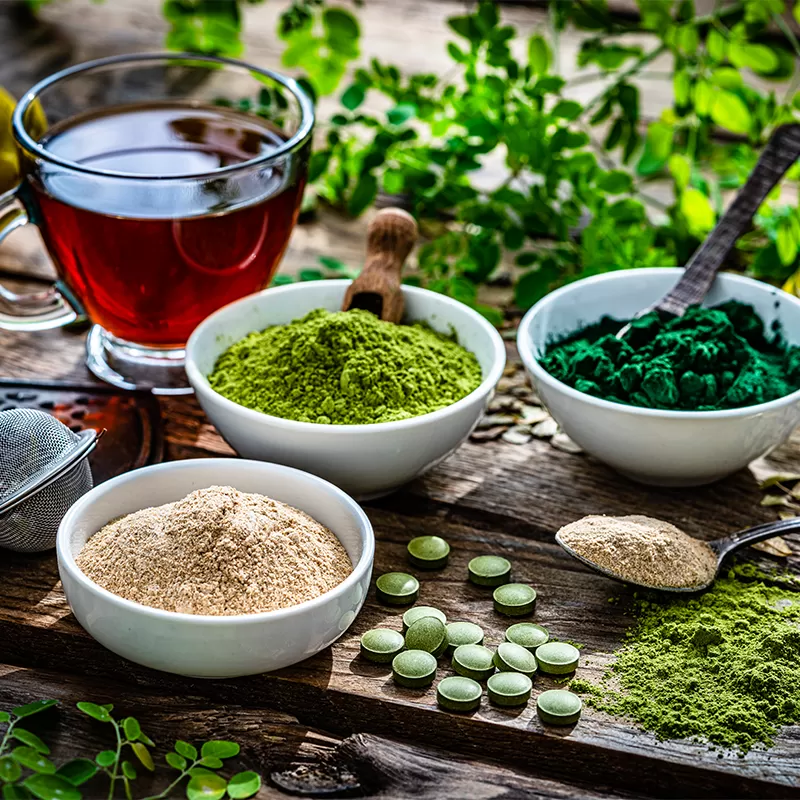 Customized SolutionsTailored premix and mineral solutions designed to meet specific formulation and nutrition needs.
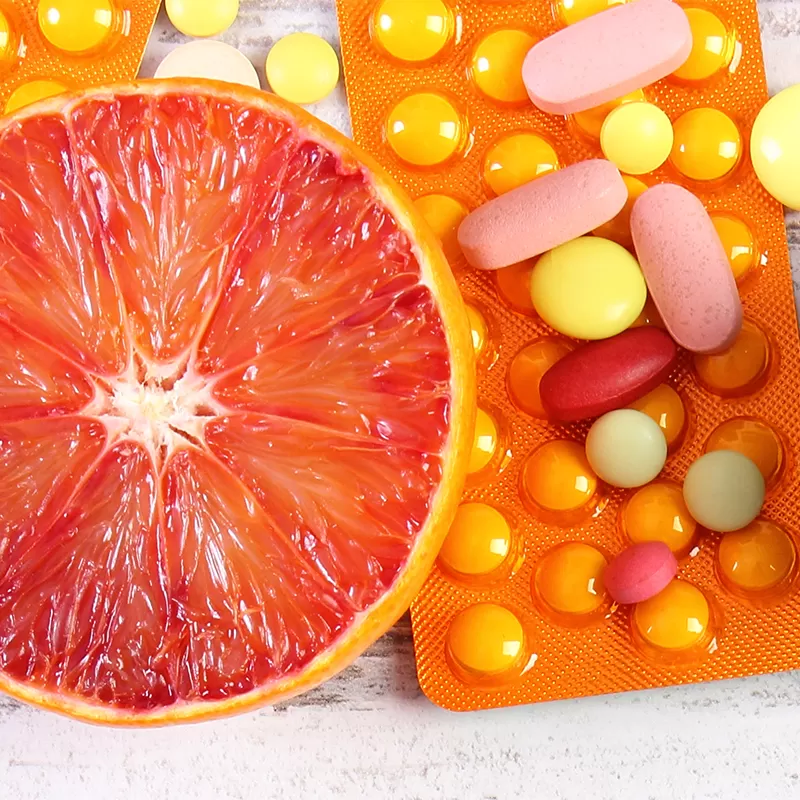 Application SolutionsApplication-driven solutions transforming nutritional ingredients into practical product formats.
 -
News & Events
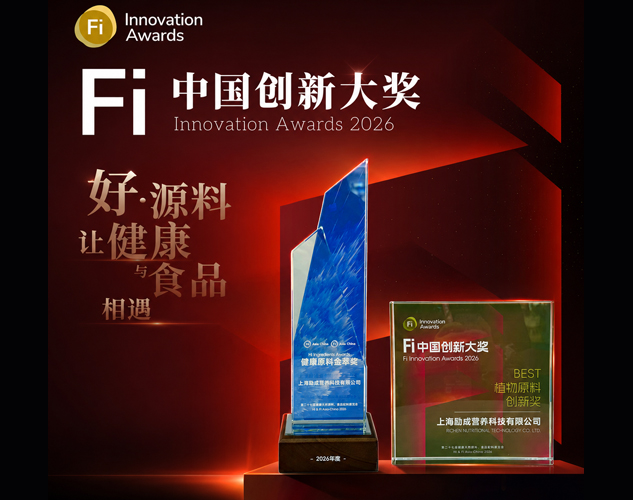
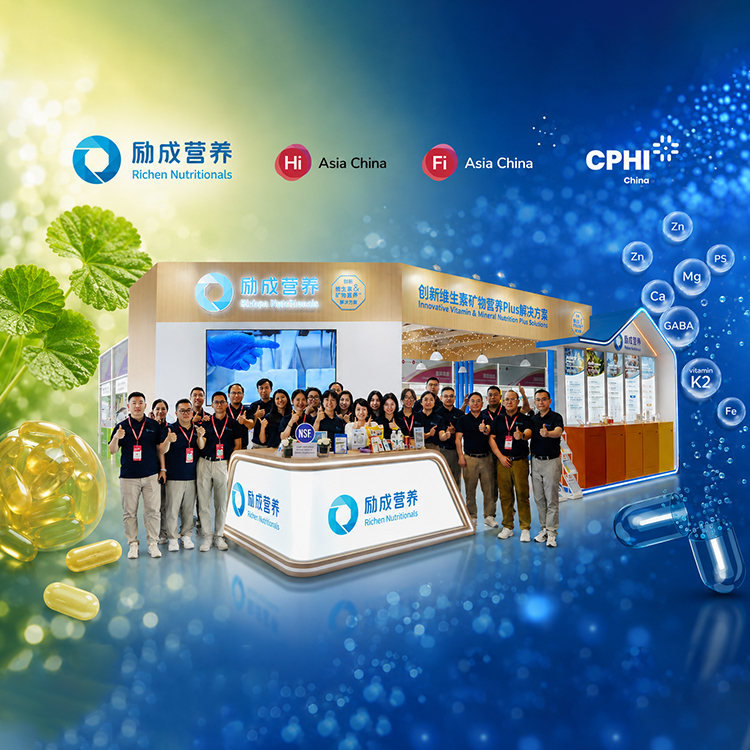 Off-Flavor Masking & Microencapsulated V&M for Plus NutritionFrom June 15–17, 2026, the 27th Healthplex Expo, Natural & Nutraceutical Products China 2026 / Food Ingredients Asia-China 2026 officially opened. Richen Nutritionals showcased its “Innovative V...Show More
  Iron Gummies Growth and Source Upgrading: Iron Nutrition Fortification Solutions Empower Innovation in Finished Dosage FormsIn recent years, as the iron supplement market has continued to expand, new iron-enriched products represented by ...Show More
  Don't Overlook the 3 Hidden Checkpoints in Children's Health — Zinc Plus Solutions Support Every Step of GrowthInternational Children's Day is a joyful celebration for children. While accompanying children as they learn and play, their health remains every ...Show More
 - RICHEN
- Contact Us